
After a Disaster - Tips to Support Children’s Wellbeing
- Children First Agency
- Feb 27
- 3 min read
Updated: Mar 27
If you’ve noticed changes in your child’s behaviour since the Hurricane hit, it may be signs of trauma - an emotional response to a stressful event. The Children First Agency (CFA) consulted Clinical Psychologist Jesutofunmi Simpson on the impact of disaster, and it was revealed that “traumatic experiences have the ability to change the way the brain looks and works”. This is especially concerning for children as they are still undergoing development and are likely unable to properly identify their feelings.

Whether your child was directly affected or just a witness, a category five hurricane can have negative emotional effects. Distress shows up in many ways. Indicators include feeling more anxious/fearful, leading to increased clinginess, doing things that they’ve outgrown like wetting the bed, or frequently complaining about stomach and headaches. Also, children who were outgoing may seem more withdrawn, while reserved children can become even more quiet. Additionally, according to Mrs. Simpson, it’s likely that they become more aggressive as they try in their own way to regain control of their reality. As parents, it’s important to know that while some children will have an immediate response to the stressor, a delayed reaction is possible. Make every effort to pay close attention so that the signs aren’t missed.
If you identify these or other changes in your child, Mrs. Simpson has some useful tips to help them overcome the effects of disaster.
Share your own feelings with them, this normalises what they are experiencing and makes them feel less alone. Acting strong is not always as helpful as we like to believe.
Listen to them. What you think frightened them may not have bothered them at all. The opposite can also be true - what you may think did not have an impact might actually have had an effect. So, listen and follow their lead about what they need.
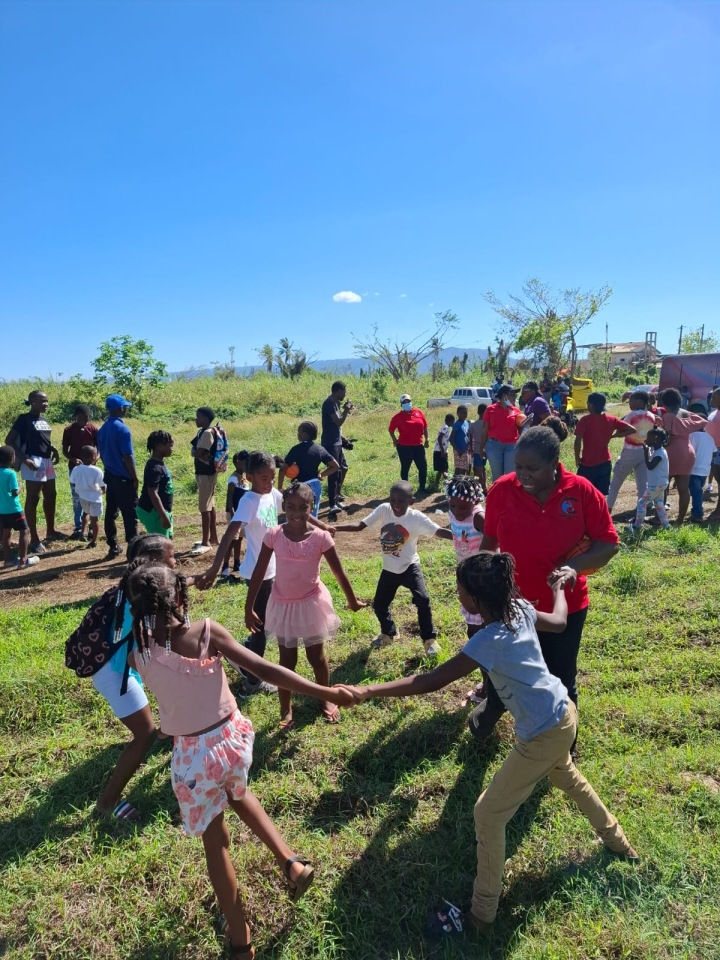
Give them opportunities for creative play such as telling stories, drawing, painting, writing songs, dancing. Imaginative play is a great way to understand how children are seeing the world without the "seriousness" of a typical conversation.
This is a key part of the programme within the Child Friendly Spaces operated by the CFA and UNICEF Jamaica.
Let them loose outside to play. Sports and games are great ways to release pent up or excessive energy as well as to counter stress hormones produced by disasters.
If you’re concerned about their safety, have set times per day where you or a responsible adult can keep a watchful eye while they play.

Lastly, take them to a professional if you are growing increasingly concerned about their adjustment following the disaster. Although you mean well, avoid forcing your child to speak if they are unwilling. A psychologist or trained individual can possibly bring better results.
Disaster recovery is no quick task. It requires holistic, sustained, and tailored actions which the Agency is delivering in close partnership with UNICEF Jamaica throughout St. Elizabeth, St. James, and Manchester through child and parent-centred initiatives. If you’re struggling to regain emotional stability after the Hurricane, Mrs. Simpson advises that you be patient with yourself and the children as you process your emotions and the changes in the environment. Reframe your thinking and fight the urge to expect to swiftly return to the person you were before the hurricane.
To conclude, she wants you to understand that “overcoming the fear of disaster may not look like the absence of fear but recognising that we cannot prevent all disasters and if one should occur, we have the internal strength to get through it and remain happy, kind and strong”.
If you need help, do not stay silent. For support or more information on the Agency’s intervention work after the hurricane, please email info@childrenfirstja.org.


Comments